
Daily Podcast full article
YouTube automates creator optimization: A/B tests, dynamic thumbnails and live dubbing move inside Studio
YouTube’s latest Made on YouTube update turns creator optimization into a more automated, platform-native workflow: Studio can advise on drafts, generate or rotate packaging, test multiple video cuts and, soon, translate live speech in real time. The result is a direct challenge to the outside tools creators use for analytics, thumbnail design, retention testing and localization.
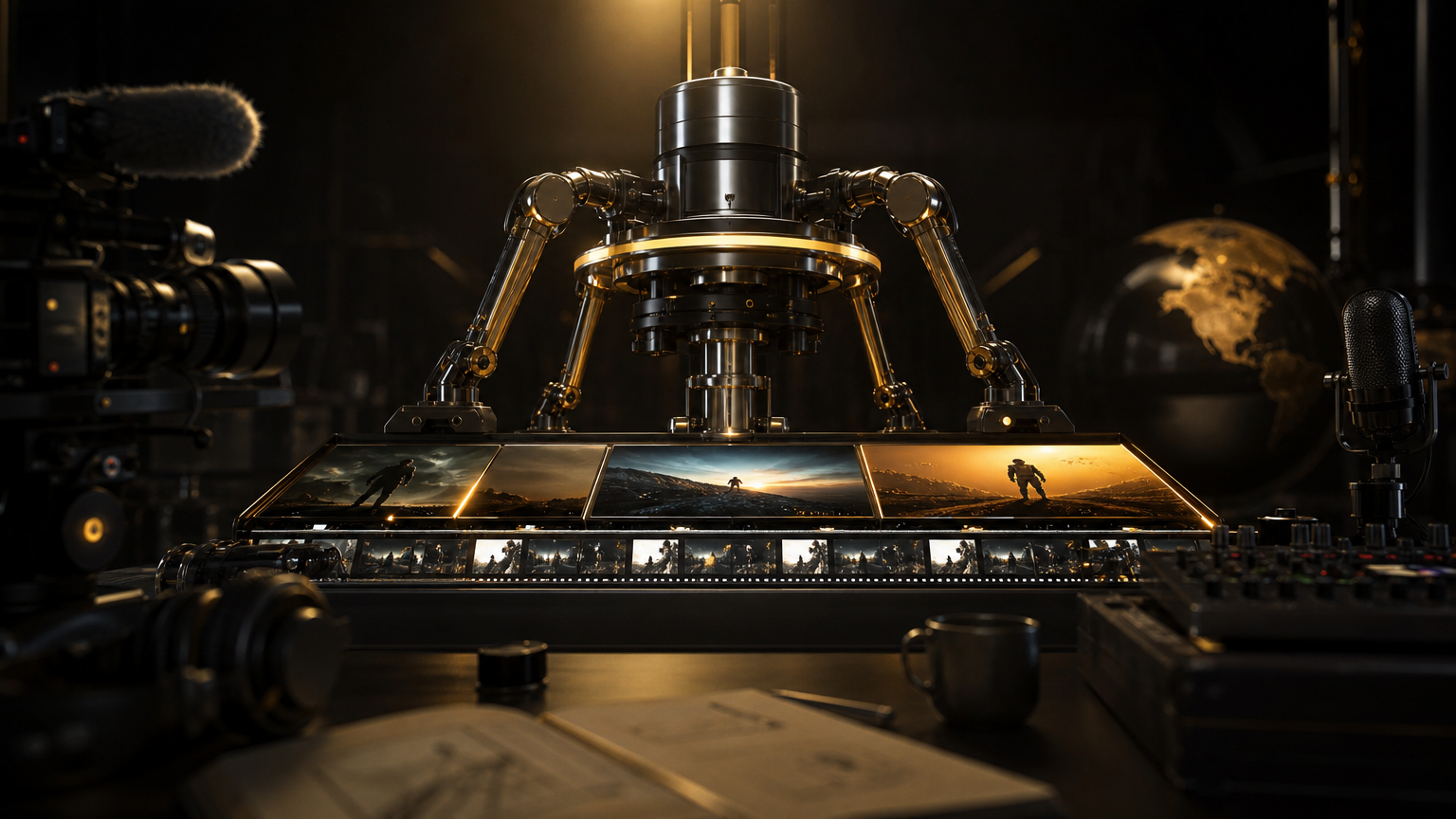
YouTube’s new pitch: let the platform optimize the creator
YouTube’s new creator-tool rollout is not just another AI feature dump. It is a strategic attempt to automate the practical work that determines whether a video survives the recommendation system: the hook, the thumbnail, the title, the audience fit and the language barrier. At Made on YouTube in New York on September 23, 2026, the company announced a set of Studio and Live updates built around AI-assisted performance optimization, including draft feedback, channel-matched thumbnails, dynamic thumbnails, video A/B testing and live auto dubbing .
The most important shift is where the optimization happens. For years, creators have relied on a stack of external tools: analytics dashboards to diagnose retention, design software to make thumbnails, translation vendors or dubbing platforms to reach non-native audiences, and manual testing rituals to learn which packaging works. YouTube is now pulling more of that loop inside YouTube Studio itself. Studio’s new feedback feature can give personalized advice on pacing, structure and storytelling for draft videos, while YouTube says creators will be able to generate thumbnails matched to their channel and use dynamic thumbnails to let the platform recommend the best of three options to different audience segments .
That sounds helpful on the surface. It is also a meaningful transfer of creative judgment from the creator’s desk to YouTube’s own data systems.
From title tests to video-cut tests
YouTube says creators have run more than 40 million title and thumbnail experiments since its A/B testing feature officially launched in 2024 . The new step is video A/B testing: creators will be able to test up to three video cuts to see which hook performs best . TechCrunch reports that from 2027 the feature will let creators upload and test three different cuts for Shorts, extending YouTube’s existing title-and-thumbnail testing toward the video itself .
That matters because the first few seconds of a Short or the first minute of a long-form video can decide whether YouTube continues distributing it. A title can win a click; a thumbnail can create curiosity; but the opening cut determines whether the viewer stays. By making video-cut testing native, YouTube is giving creators a way to test retention rather than merely click-through.
The feature also changes the economics of experimentation. A creator who previously had to guess between three intros, publish one version and interpret the analytics afterward could soon make the platform run the comparison. For larger creator teams, this reduces the need for separate testing workflows. For smaller creators, it lowers the barrier to optimization practices that were once mostly available to channels with editors, analysts and packaging specialists.
Dynamic thumbnails turn packaging into personalization
Dynamic thumbnails may be the most consequential packaging change. YouTube’s official description says creators can use dynamic thumbnails so YouTube recommends the best of three options to different segments of their audience . TechCrunch describes the feature as letting creators upload multiple thumbnails and leave it to YouTube to determine which one is most likely to interest a given viewer .
That is a different model from a classic A/B test. A/B testing seeks a winner. Dynamic thumbnails suggest that there may be no single winner, only different winners for different viewers. A comedy face may work for one segment; a clean object shot may work for another; a text-heavy explainer thumbnail may work for a third. Instead of forcing creators to choose one universal wrapper, YouTube can tailor the wrapper while leaving the underlying video unchanged.
This could increase click-through rates and watch time, but it also raises a creative question: what is the “real” packaging of a video if different viewers see different faces, titles or visual promises? The thumbnail has always been part advertisement, part editorial framing. Dynamic thumbnails push it closer to algorithmic merchandising.
Ask Studio becomes an always-on optimization layer
YouTube’s Studio update also expands the role of Ask Studio. The company says Studio is adding new Insights and Research destinations to help creators understand past performance and discover outlier videos, while Ask Studio can run in the background to review older videos, suggest refreshed thumbnails and test them . TechCrunch similarly reports that, with creator permission, Ask Studio will be able to autonomously monitor thumbnail performance and create tests to refine older videos .
This is important because creator libraries are long-tail assets. Many channels have hundreds or thousands of older videos that still surface in search, recommendations and playlists. Historically, refreshing the packaging of back-catalog videos has been labor-intensive: find an underperformer, redesign the thumbnail, change the title, wait, compare, repeat. If Studio can identify candidates and run tests automatically, optimization becomes a maintenance layer rather than a manual project.
For creators, that may mean more views from the same catalog. For third-party analytics and thumbnail-testing startups, it creates a platform risk: if YouTube’s native tool is good enough, fewer creators will pay for external diagnostics.
Live dubbing expands the optimization battlefield
The third major piece is localization. YouTube’s Live team announced that it will pilot Live auto dubbing in early 2027, automatically translating a creator’s speech in real time so viewers can listen in their preferred language . YouTube says more than 40% of live watch time comes from viewers outside a creator’s home country, and that language barriers can prevent potential fans from joining live conversations .
This extends optimization from packaging to accessibility. A livestream is normally constrained by the language of the host; live dubbing turns language into a variable YouTube can process. For global creators, gaming streamers, educators and news commentators, real-time translation could increase reach without the delay and cost of producing separate dubbed versions afterward.
It also brings new risks. Live speech is messy: interruptions, slang, jokes, emotional tone and cultural references are hard to translate accurately in real time. If the system mistranslates a sensitive phrase, the creator may bear the reputational cost even though the translation was automated. YouTube’s broader creator AI push therefore depends not only on convenience, but on trust.
Why this threatens outside creator tools
The broader competitive story is that YouTube is collapsing the creator optimization stack into the platform. Reuters summarized the Made on YouTube slate as including Studio additions for draft feedback, channel-matched thumbnails and testing up to three video cuts, along with a Gemini-powered assistant in Shorts and YouTube Create that can help edit clips, trim pauses and sync music . That places YouTube in direct proximity to editing apps, thumbnail-design services, analytics products, localization providers and growth-consulting tools.
The platform advantage is obvious: YouTube owns the performance data, the audience graph and the distribution system. A third-party tool can infer why a video worked. YouTube can observe the test directly. If creators trust the recommendations, the most efficient workflow is to let the platform optimize the asset before and after publication.
The downside is dependency. If YouTube becomes the place where creators brainstorm, edit, test, package, translate and optimize, creators gain convenience but lose distance. The platform that judges performance also supplies the tools designed to improve it. That may make creators more efficient, but it also makes their creative process more tightly aligned with YouTube’s internal metrics.
The recommendation boss battle gets auto-generated power-ups
The update’s practical meaning is simple: YouTube is giving creators more built-in ways to fight for recommendation, retention and international reach. A/B-tested cuts help optimize the hook. Dynamic thumbnails adapt the click surface. Ask Studio turns old videos into candidates for continuous improvement. Live auto dubbing opens live content to multilingual audiences.
The deeper meaning is that YouTube is automating the invisible labor around publishing. The creator still makes the video, but the platform increasingly tests, adapts and localizes how that video reaches people. For creators, that can mean less guesswork and more leverage. For the creator-tool market, it is a warning that YouTube is no longer satisfied with being the distribution endpoint. It wants to be the optimization engine, too.
Sources from the last 72 hours
- [1]New tools to power your creation journey from start to finishSep 23, 2026, 12:00 AM UTC
- [2]YouTube adds new creator tools like video A/B testing, dynamic thumbnails, and live dubbingSep 23, 2026, 2:30 PM UTC
- [3]YouTube unveils AI creator tools, shopping features at annual eventSep 23, 2026, 2:34 PM UTC
- [4]New YouTube Live tools for fan funding, dubbing and moreSep 23, 2026, 12:00 AM UTC
AI-generated article based on recent web research, then preserved as a dated editorial snapshot.
Comments
Be the first to comment.