
Tech • AI • Robotics • Game
Beat the news5 questions on the evening editionPodcast quizEvening quiz available
Arcade breakFury Blox: stack the blocks, beat your bestEvening edition
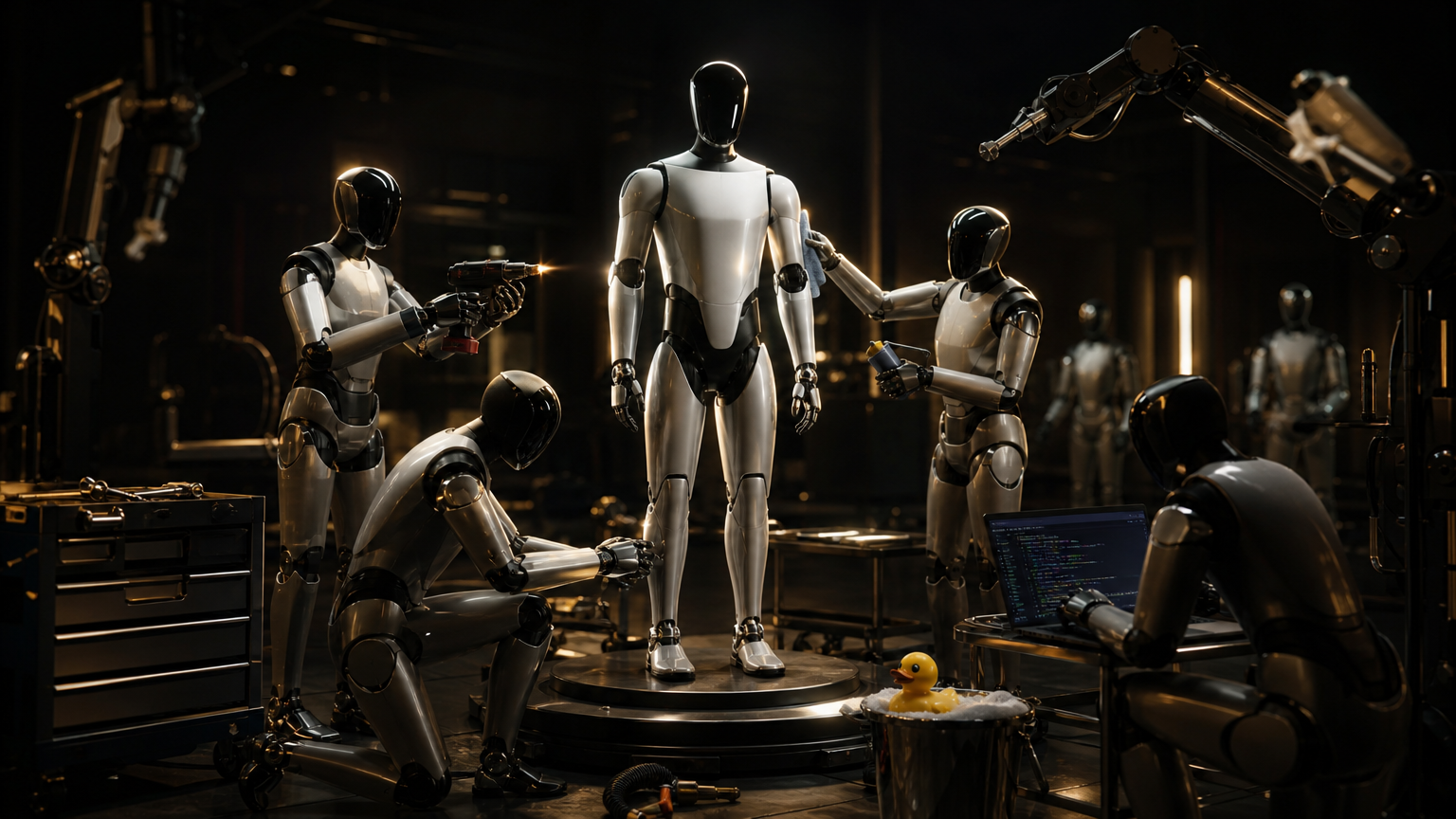 Tesla is advancing its Optimus Gen 3 humanoid robot with significant improvements in dexterity, computing power, and mobility, aiming for a more humanlike form featuring a smoother outer shell that conceals previous model's joints and wiring. Although not officially launched, the Gen 3 robot is anticipated to debut by late 2026, with deliveries to external customers expected by the end of 2027. Tesla may initially offer access through leasing rather than direct purchase, signaling a strategic shift in distribution. Even robots need a software patch to go beta in time😉
 Rockstar’s GTA 6 is set to launch on PlayStation 5 during the November 16-22 window, with rival releases reportedly pulling back to avoid the collision. A schedule involving more than 13 PS5 and PlayStation Plus games shows how one blockbuster can distort an entire platform’s calendar. For Sony and publishers, the debut will test console demand, engagement and consumers’ finite spending attention at once. Los Santos just activated the industry’s wanted level😉
 Alphabet’s Google Cloud revenue surged 103% last quarter, while the Gemini app reached 1 billion monthly users, according to Sundar Pichai. The pairing matters because it shows Alphabet’s AI distribution and infrastructure businesses reinforcing each other, potentially reducing the company’s historic dependence on Search. Triple-digit cloud expansion at this scale also raises the competitive stakes for Amazon Web Services and Microsoft Azure. Google has clearly found the cloud’s turbo button😉
 A cybersecurity incident at Singapore’s Fullerton Health exposed health information belonging to 140,000 migrant workers, demonstrating how breaches can magnify risks for already vulnerable populations. Separately, Malaysia’s Health Ministry disclosed unauthorized system access but said patient services continued and no critical patient data was compromised. Together, the cases show why healthcare security must protect both clinical continuity and deeply sensitive identity records. Even the medical firewall needs a regular health check😉Japan’s cyberattack wave reached Osaka and Sega after a compromised email service exposed 77 million addresses, while a separate European telecom breach revealed more than 125 million SMS messages. The incidents illustrate two different but compounding infrastructure failures: mass identity exposure that fuels targeting, and communications leakage that reveals private conversations or authentication codes. At this scale, attackers do not need a needle when the haystack is downloadable. The inbox has become the Death Star’s exhaust port😉PostgreSQL patched 52 vulnerabilities, including a 22-year-old type-confusion bug that let authenticated users execute remote code; full remediation also requires rebuilding installed C-language extensions. CISA separately added a high-severity UnrealIRCd command-injection flaw to its Known Exploited Vulnerabilities catalog after active attacks. Both cases remind operators that mature open-source infrastructure can hide ancient defects with modern blast radii. Some legacy bugs deserve a museum, not root access😉
 Atom Computing finalized a $100 million research-and-development agreement with the U.S. Commerce Department to accelerate fault-tolerant, utility-scale quantum systems. The public award moves neutral-atom hardware closer to practical, error-corrected machines and gives Washington another domestic route in the strategic quantum race. Unlike speculative laboratory headlines, this deal directly funds hardware scaling and commercialization work. The award was reported as finalized, not merely proposed. Schrödinger’s grant is now definitively inside the box😉
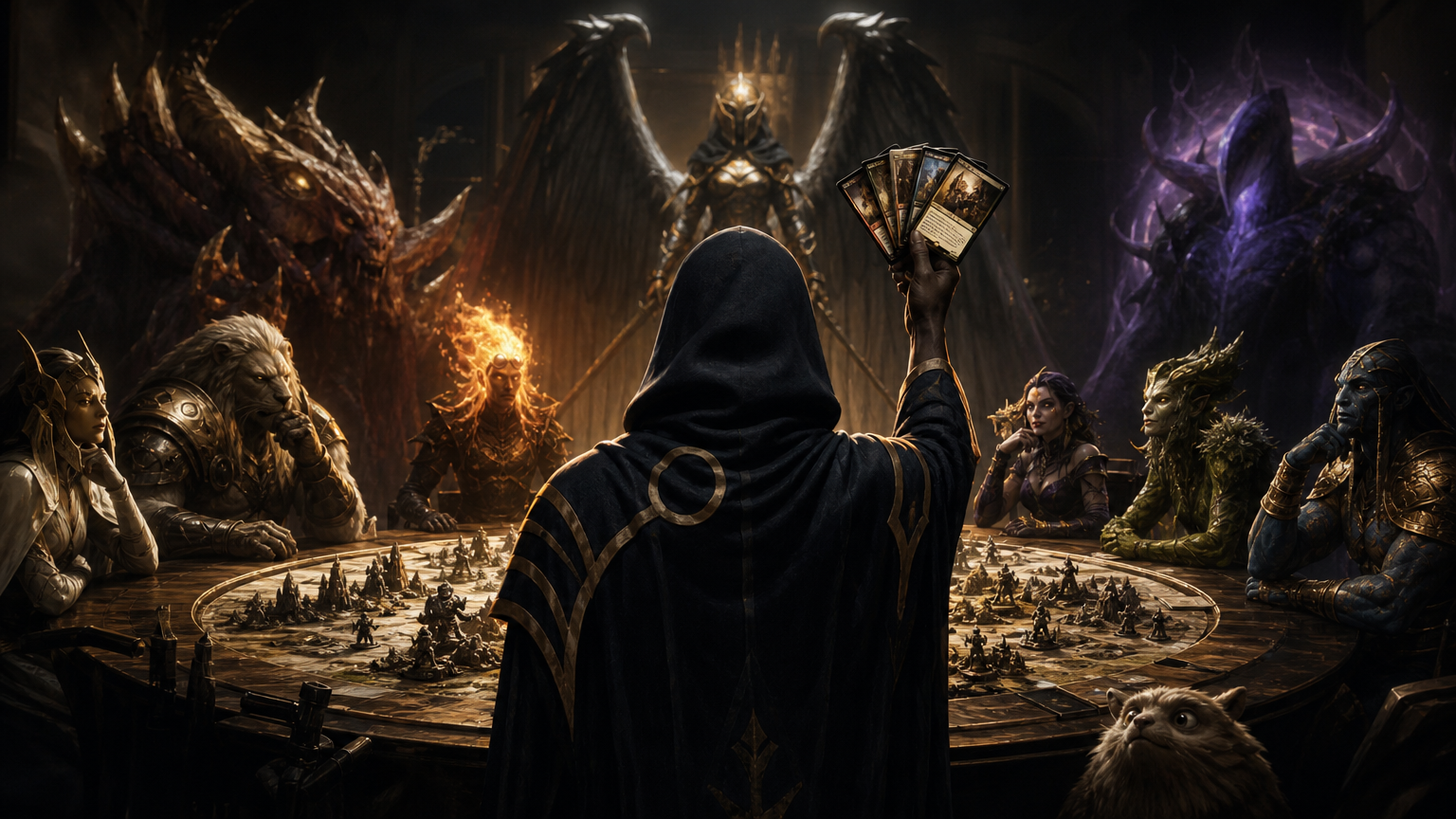 On the gaming front, Netflix unveiled Planeswalker, its long-awaited Magic: The Gathering animated series, and set its streaming debut for 2027. Showrunner Terry Matalas is leading the adaptation, whose first sneak peek drew immediate comparisons with Arcane’s polished, game-to-screen visual ambition. The project gives Hasbro’s enduring trading-card franchise a global audiovisual showcase beyond tabletop play, potentially widening its audience while testing whether Netflix can repeat Arcane’s crossover success. Apparently, this stack resolves in 2027😉