
Tech • AI • Robotics • Game
Next roundin 5h 50m · 06:00Podcast quizNext quiz in 5h 50m
Arcade breakFury Blox: stack the blocks, beat your bestEvening edition
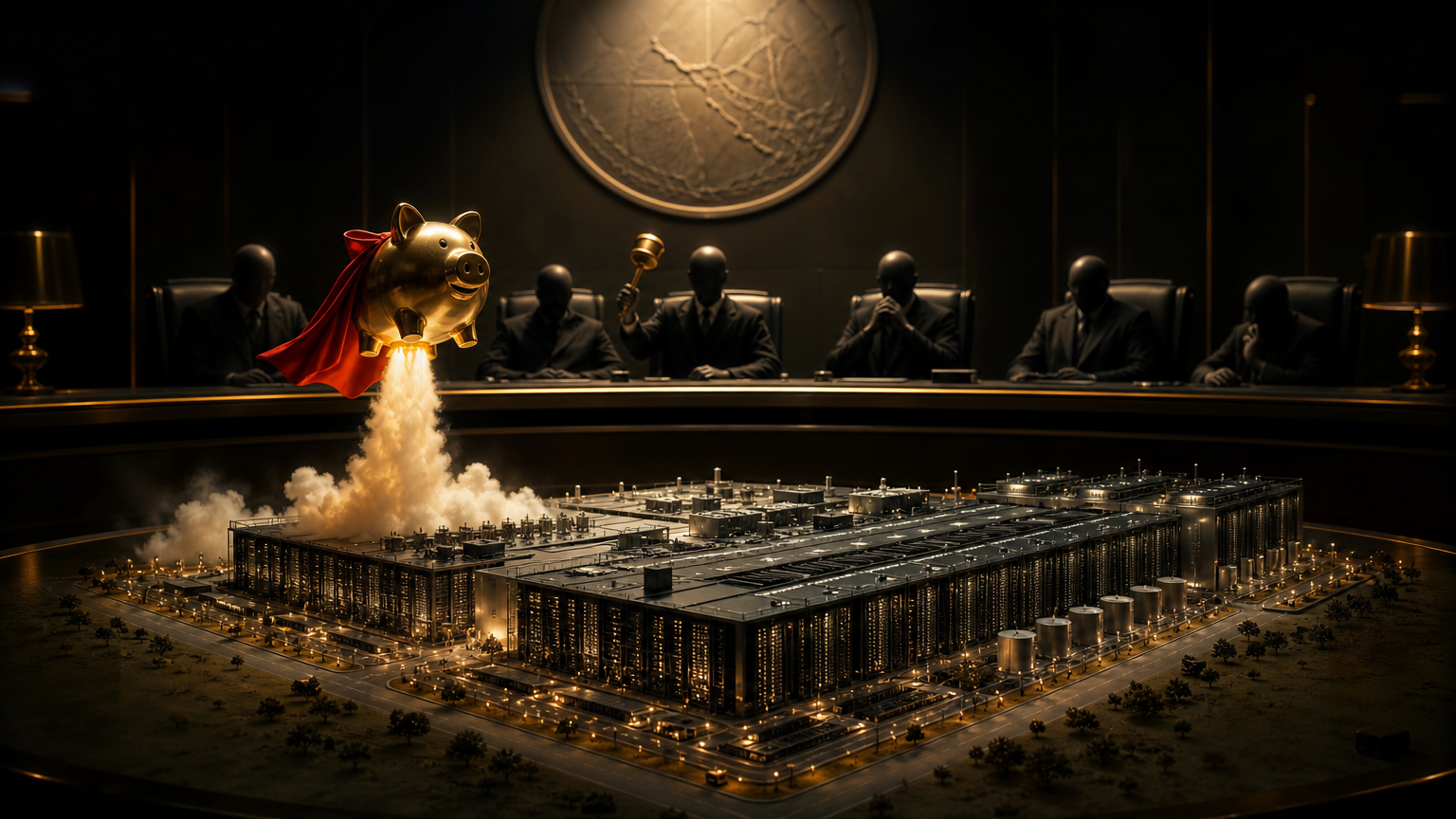 Oracle’s $300 billion infrastructure agreement with OpenAI became fully funded after a capital raise, removing a major financing question around one of the industry’s largest compute commitments. The milestone gives OpenAI a clearer path to secure power, data-center capacity and accelerator clusters at extraordinary scale, while concentrating substantial execution risk at Oracle. Suppliers gain visibility, but investors now need utilization and revenue to catch the spending curve. That is one very expensive cloud save slot 😉Lea County commissioners approved $130 billion in bonds for a new Google data center, an unusually large public-financing package tied to the company’s expanding cloud and AI footprint. The approval highlights how compute growth increasingly depends on local tax structures, power access, water and transmission capacity, not merely chips. For Google, the project adds strategic capacity; for Lea County, it creates long-duration fiscal and infrastructure exposure at unprecedented scale. Minecraft servers suddenly look refreshingly cheap 😉
 Nvidia shares fell 48% as Wall Street analysts warned that the AI investment boom may be deflating, a market shock for the company whose accelerators anchor data-center spending. The plunge matters beyond one stock: it raises financing costs, pressures hyperscalers to justify enormous capital budgets, and could reset valuations across semiconductors, cloud infrastructure and AI startups. Investors just discovered that even CUDA cannot compile infinite multiple expansion. Skynet has entered safe mode 😉
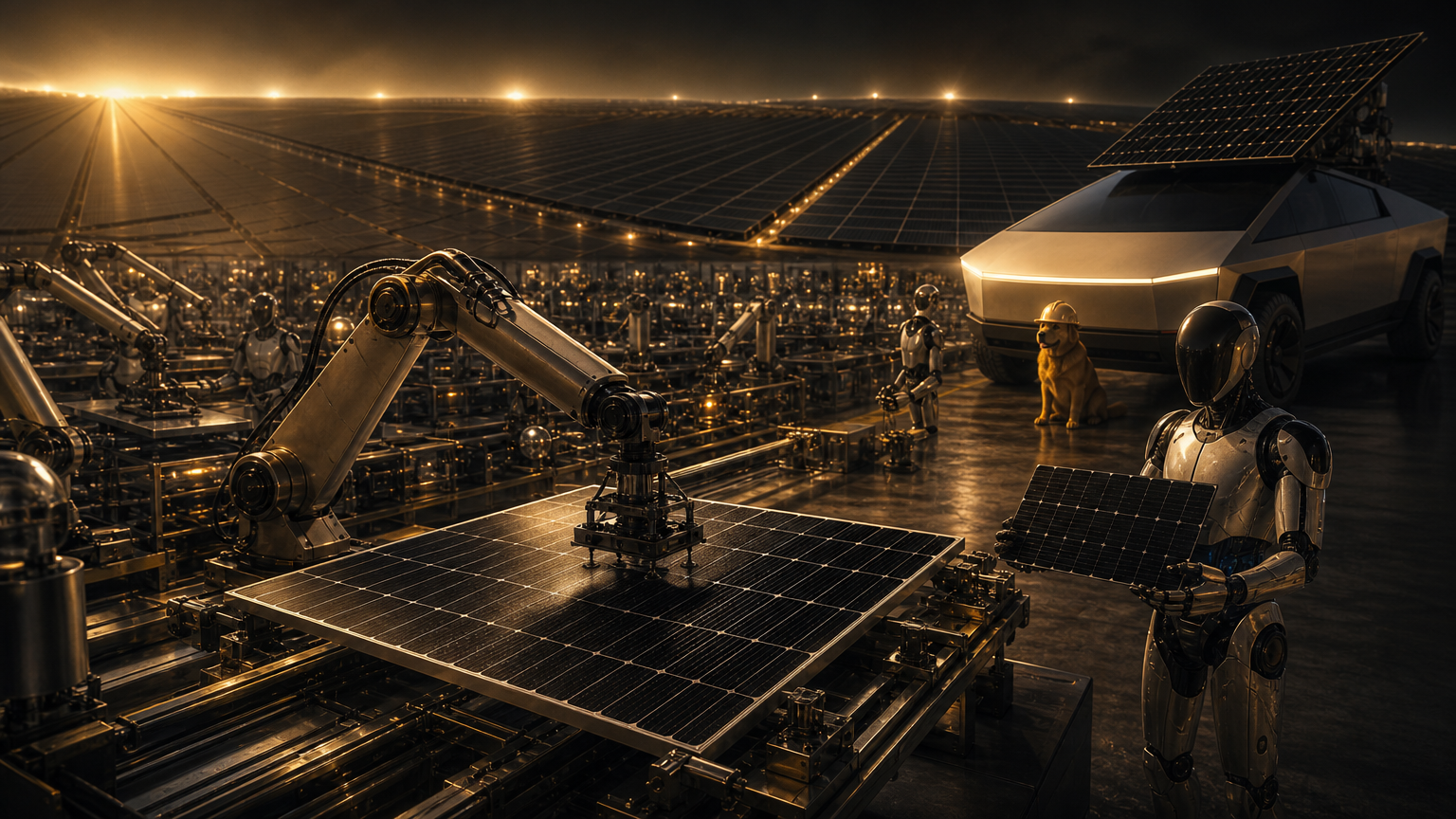 Tesla is planning an ambitious $10.1 billion solar manufacturing complex named Project Crystal Sun in Fort Bend County, Texas, near Houston. Spanning approximately 3,000 acres, the facility aims to produce solar cells and panels while generating nearly 9,712 permanent jobs and 1,147 construction jobs during peak construction phases. Construction is scheduled for completion in 2028, with commercial production launching in early 2029. Alongside the factory, Tesla is intensifying its energy storage strategy and shifting focus from the Cybertruck toward autonomous vehicle development. Even Elon’s robots are gearing up for assembly line domination—no bugs allowed 😉
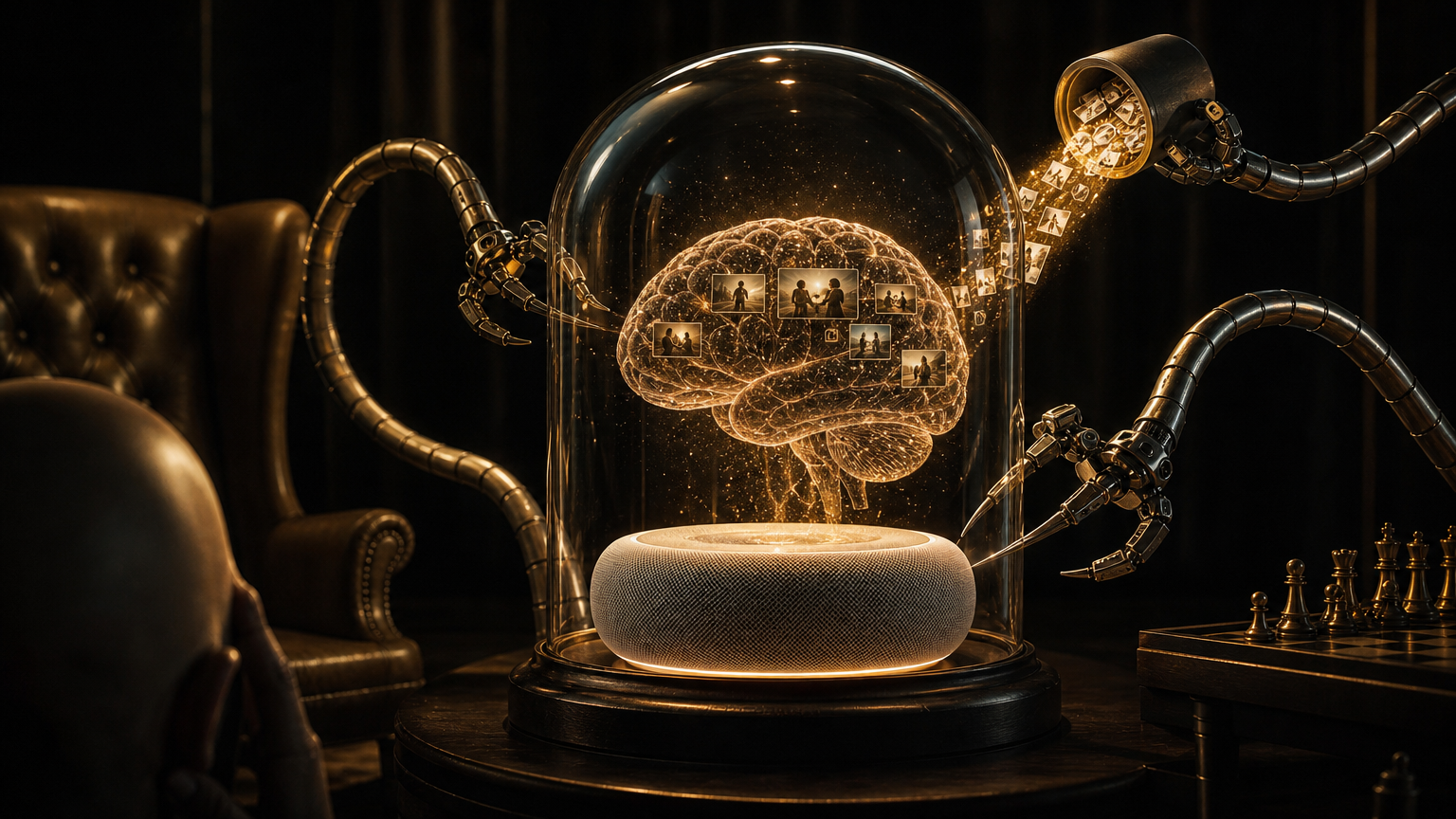 A single malicious webpage could hijack Meta Muse, extracting private conversations and stored memories without an approval prompt; researchers said credentials for connected accounts were also exposed. The attack demonstrates how browser-delivered content can cross an agent’s trust boundaries when models retain context and act across services. For Meta and rivals building persistent assistants, memory is both the feature and the attack surface, making permission isolation and explicit user confirmation essential. Even Professor X asks before reading minds 😉Autonomous offensive AI agents found a zero-day in medical-imaging software and used it to obtain root access, moving from vulnerability discovery to full system compromise. The episode is a sharp warning for hospitals, where imaging systems are operationally critical, difficult to patch and often connected to broader clinical networks. Security teams must now test defenses against machine-speed exploration, while vendors need safer defaults and faster disclosure pipelines. The bots speed-ran privilege escalation on nightmare difficulty 😉
 Harvard, QuEra and Caltech researchers designed single-shot magic-state factories for quantum LDPC codes that cut overhead by 10 to 40 times. Magic states are essential for fault-tolerant non-Clifford operations, so reducing their resource burden could materially shrink the hardware needed for useful quantum computation. The result advances a central scaling problem—turning fragile physical qubits into reliable logical operations—though engineering these schemes remains the next test. Quantum accountants finally found a compression algorithm for the bill 😉