
Tech • AI • Robotics • Game
Next roundin 1h 48m · 06:00Podcast quizNext quiz in 1h 48m
Arcade breakFury Blox: stack the blocks, beat your bestToday's edition is not ready yet — showing the latest available briefing.
Evening edition
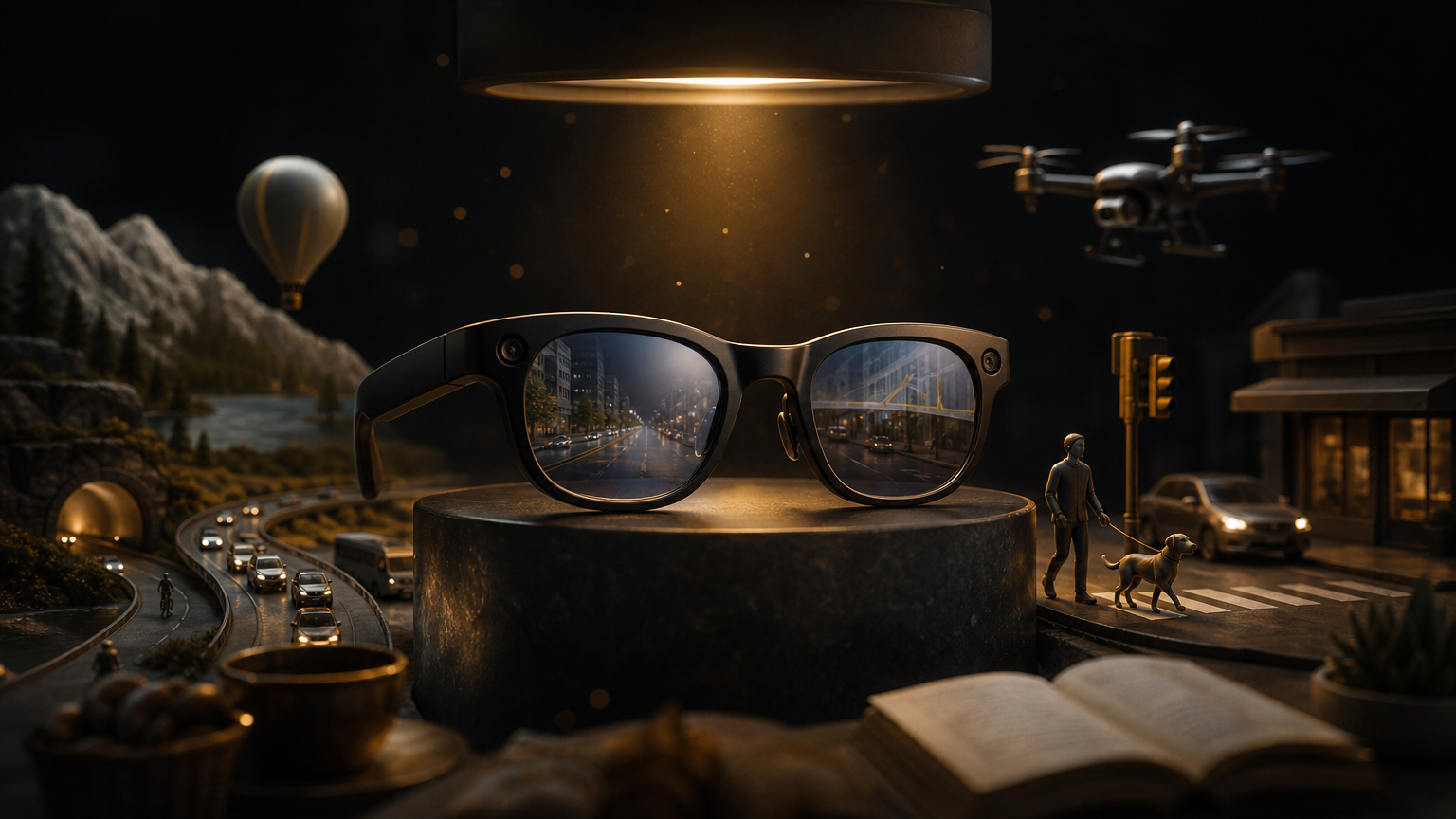 Google launched Hey Gemini smart glasses in November 2026, returning to AI eyewear with voice and visual capabilities embedded in the frame. The product turns Gemini into a wearable interface for hands-free questions, contextual assistance and accessibility, extending Google's model beyond phones and browsers. The comeback matters because ambient computing could become the next platform contest among major ecosystem owners, not merely another accessory category. Google Glass just respawned with a much larger skill tree 😉Google launched Ask Maps in Europe as Google Maps' biggest update in over a decade, using current map data and Gemini models to answer complex questions about real-world places. The rollout shifts navigation from keyword lookup toward conversational planning, potentially changing how European users discover businesses, routes and activities. For Google, combining proprietary geospatial data with generative AI creates a defensible consumer product that rivals cannot easily clone. Even Gandalf might finally accept directions instead of declaring every road secret 😉
 TSMC announced an investment of up to $1 billion split between OpenAI and Anthropic, tying the world's leading contract chipmaker more closely to two frontier-model developers. The move gives TSMC strategic exposure to the software demand driving advanced-node and packaging capacity, while the AI companies gain backing from the manufacturer central to their accelerator supply chain. It is a notable vertical alignment across the AI stack, from wafers to Claude and GPT. The spice must flow, but apparently through advanced packaging 😉Mirendil raised $1 billion to accelerate AI agents for scientific and technical R&D, while Blue J secured $176 million for agents that automate tax analysis and compliance. Together, the rounds show capital concentrating on vertical systems where specialized workflows, domain data and measurable labor savings can justify enterprise spending. Mirendil targets innovation pipelines; Blue J targets high-stakes financial and legal desks, where accuracy and auditability are essential. The funding boss fight now has two very different character classes 😉
 Kaspersky's ICS CERT uncovered months-long exploitation of Log4Shell in VMware vCenter that compromised a Russian software developer's code-signing server. The access is especially dangerous because attackers controlling signing infrastructure may distribute malware carrying legitimate certificates, allowing poisoned updates to appear trustworthy. The incident shows how a vulnerability disclosed years earlier can persist inside management software and become a supply-chain foothold, extending risk well beyond the initial victim. An old bug just found a new Portal gun 😉Japan's Fugaku supercomputer suffered unauthorized external access, putting one of the country's highest-profile research systems under cybersecurity scrutiny. Even without disclosed impact figures, intrusion into a national computing asset matters because supercomputers host valuable scientific workloads, sensitive datasets and scarce processing capacity. The event underscores that elite performance does not guarantee elite perimeter security, and research infrastructure requires the same identity, segmentation and monitoring discipline as commercial clouds. Apparently even a supercomputer can fail the stealth mission 😉Australian supermarket giant Coles said it was investigating a cybersecurity incident affecting its systems, adding retail infrastructure to the day's breach list. Details on compromised data and operational impact remained limited, but grocers combine payment information, loyalty profiles, logistics and thin-margin, always-on operations, making disruption unusually costly. The investigation will matter beyond Australia because retailers are increasingly treated as digital platforms with physical dependencies, not merely storefronts. The checkout lane has entered hard mode, no DLC required 😉
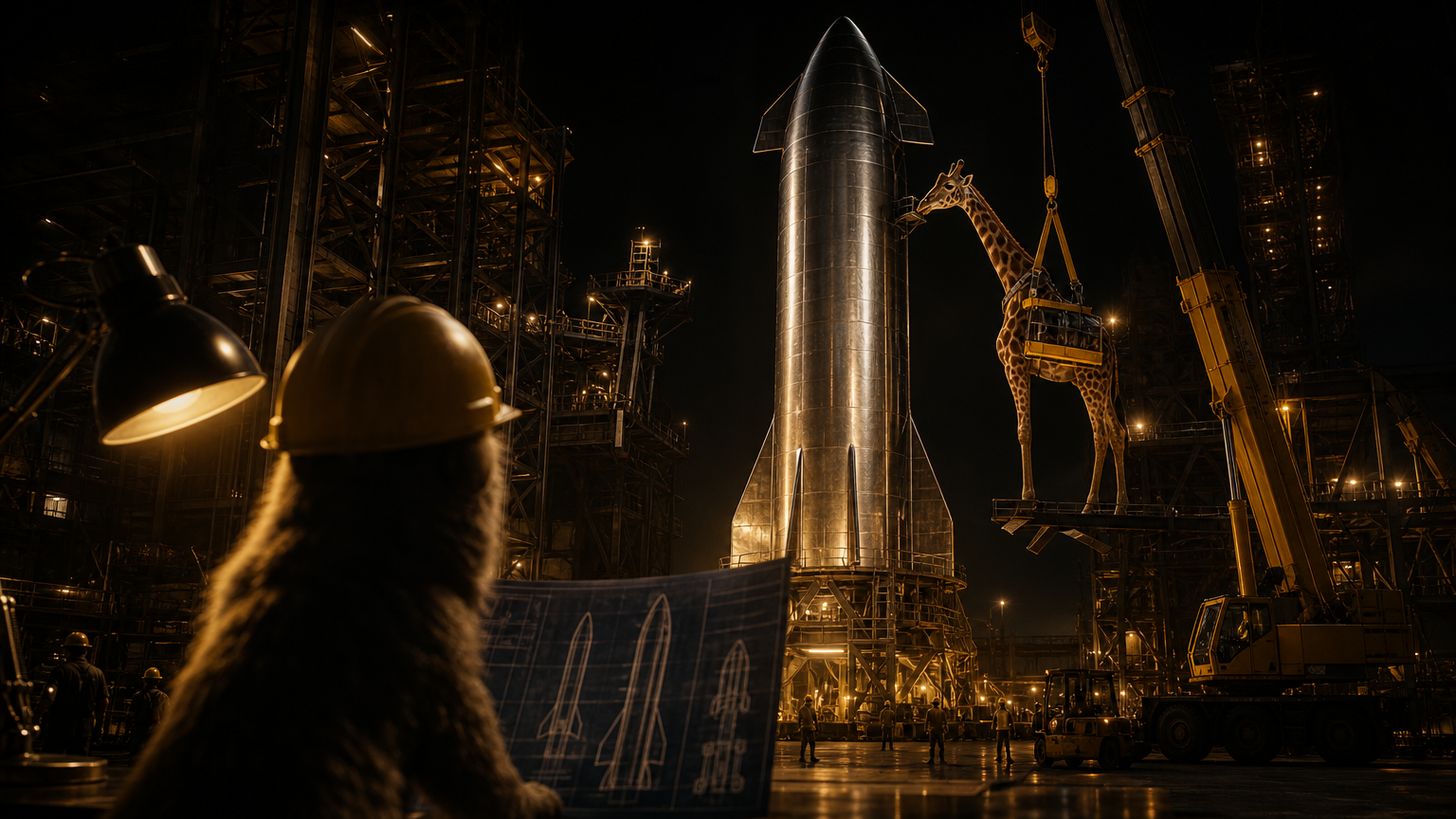 Elon Musk detailed Starship V4 as 40% longer with 60% more fuel and potential launch payload above 200 tons, a substantial increase aimed at heavier missions, including lunar logistics. Greater capacity could reduce launches required for in-orbit refueling or cargo assembly, but the larger vehicle also raises structural, propulsion and ground-infrastructure challenges. The specifications show SpaceX is already designing beyond its current architecture rather than treating today's Starship as final. The rocket equation just unlocked its New Game Plus mode 😉
 A peer-reviewed study extended quantum coherence beyond the breakeven point using only drives and dissipation, demonstrating that engineered control and environmental coupling can preserve qubit information rather than merely destroy it. Crossing breakeven matters because stabilization must outlast the overhead and errors introduced by the protection scheme itself. The result points toward more durable quantum hardware without relying exclusively on conventional correction techniques, although practical machines still require system-level scaling. Schrödinger's qubit has negotiated a longer lease on both states 😉
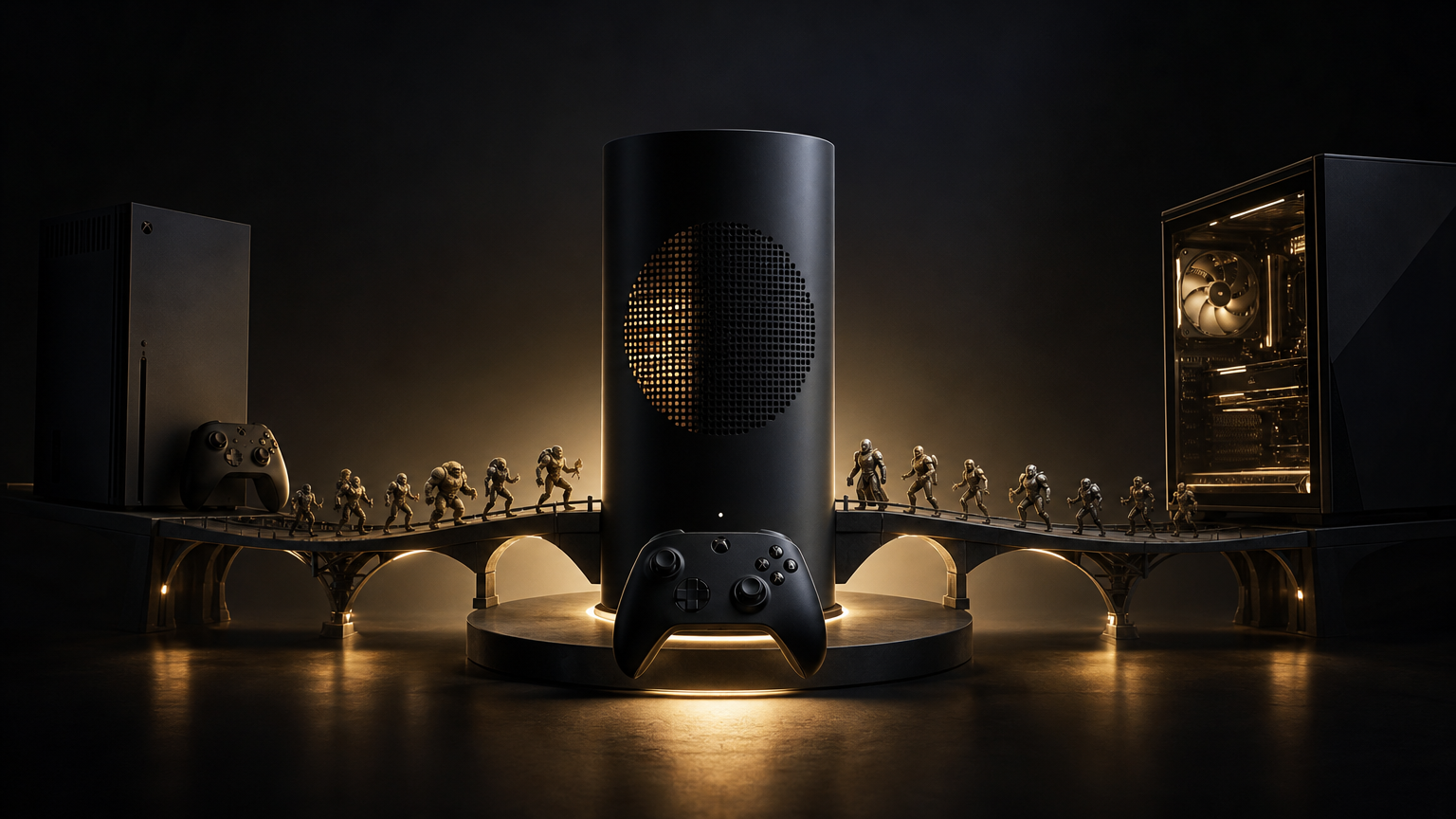 On the gaming front, Microsoft clarified that Project Helix, its next-generation Xbox expected in 2028, is fundamentally a console that can also play PC games—not a PC moonlighting as an Xbox. The company also said progress will carry across games played on all previous Xbox consoles, while neural rendering is intended to lower hardware costs. The strategy could unify Microsoft’s fragmented PC-console ecosystem without abandoning the simplicity buyers expect from dedicated hardware. Achievement unlocked: backwards compatibility entered the multiverse 😉